
Blogs
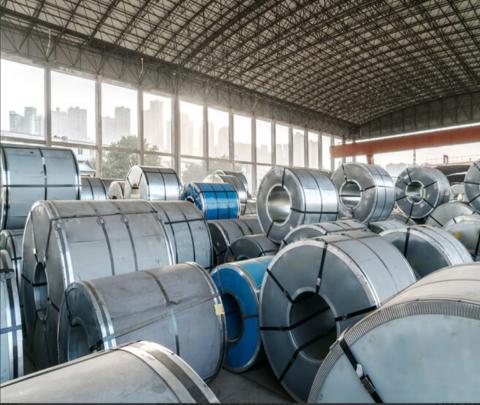
Steel Coil Construction: Shaping the Future of Architecture
The skyline of modern cities stands as a testament to human ingenuity and engineering prowess. Towering skyscrapers, some reaching heights unimaginable just a century ago, are iconic symbols of progress and urbanization. But what made the construction of these architectural marvels possible, and are they a sustainable choice for urban planning? The answer lies in the innovative use of steel coil construction, a method that has not only reshaped our skylines but also made its way to suburban areas, transforming the way we build and live.
Steel's Role in Skyscraper Construction
The evolution of skyscrapers is deeply intertwined with the use of steel. Before steel became a prominent building material, skyscrapers were limited in height due to the structural constraints of traditional materials like wood and masonry. However, the introduction of steel changed everything. Its exceptional strength-to-weight ratio allowed architects and engineers to dream bigger and reach higher.
Steel's ability to withstand immense vertical loads, coupled with its flexibility and durability, enabled the construction of skyscrapers that could pierce the clouds. It offered architects the freedom to design structures with open floor plans, larger windows, and soaring heights, revolutionizing both the form and function of buildings.
Innovations in Skyscraper Construction
As steel became the backbone of skyscraper construction, innovations continued to push the boundaries of what was possible. Advancements in materials science, such as the development of high-strength steel alloys, improved structural stability while reducing the amount of steel needed.
Additionally, computer-aided design (CAD) and Building Information Modeling (BIM) technologies have played a pivotal role in optimizing skyscraper designs. These tools allow for precise planning and simulation, helping architects and engineers create efficient, sustainable, and visually stunning skyscrapers.
Sustainability in Urban Planning
The construction of skyscrapers has often been associated with environmental concerns, including high energy consumption and increased carbon emissions. However, with advancements in sustainable building practices and technologies, skyscrapers can indeed be part of a sustainable urban future.
Innovations like energy-efficient HVAC systems, solar panels, and green roofs are being integrated into skyscraper designs to reduce their environmental impact. Moreover, the vertical nature of skyscrapers can promote density in urban areas, reducing the need for sprawling suburban development and the associated transportation emissions.
Innovative steel coil construction has been the driving force behind the transformation of our cities. Skyscrapers, once a symbol of urbanization, are now incorporating sustainable features that align with the goals of modern urban planning. As steel continues to evolve, it not only shapes our skylines but also plays a pivotal role in the development of sustainable suburban communities, making it a versatile and enduring material that bridges the gap between urban and suburban living.
In the upcoming editions of Acersteel’s insights page, we will delve deeper into the role of steel construction in shaping the modern urban landscape and explore its impact on suburban development. We will also discuss specific products in the industry, which you can explore further at Acersteel's product offerings.
Acersteel Industrial Sales Inc offers one of the most complete size selection of high quality and affordable Steel Coil materials in the Philippines.
Reach out to our friendly sales associates to assist you today.
Trunkline: 8657-3888/0925-7236718/0919-0883680/0917-8566039
Website: www.acersteel.net
Email: sales@acersteel.net
#Acersteel #SteelPhilippines #SteelCoil